WHO WE ARE

At Mission Tint, we provide expert automotive care and protection services in Bonita Springs, FL. From window tinting and paint protection film, to ceramic coatings. We help preserve your vehicle’s appearance and value. Our skilled team specializes in premium services like clear bra installation and luxury car detailing, ensuring tailored solutions for every vehicle. Trust Mission Tint for exceptional results and a pristine finish every time.

- Automotive Window Tinting

- Architectural Window Tinting (Flat Glass) - Commercial and Residential

- Paint Protection Film (PPF/Clear Bra)

- Ceramic Coating & Paint Correction

Florida Window Tint Laws Explained (2025)

December 29, 20254 min read

Florida Window Tint Laws Explained (2025)

If you live in Florida and are thinking about getting your vehicle tinted, knowing the state’s actual legal rules is important. Window tint in the Sunshine State does more than block heat and UV rays. It also comes with strict legal standards that every driver must follow. This guide covers Florida’s laws in detail, explains what is and is not allowed, and helps you avoid tickets or costly tint removal later.


What Does Florida Law Really Say?

Florida regulates window tint using Visible Light Transmission (VLT). VLT measures how much visible light can pass through your window with the tint film and factory glass combined. The lower the VLT percentage, the darker the tint. The law uses this number to determine if a tint is legal or not. LegalClarity

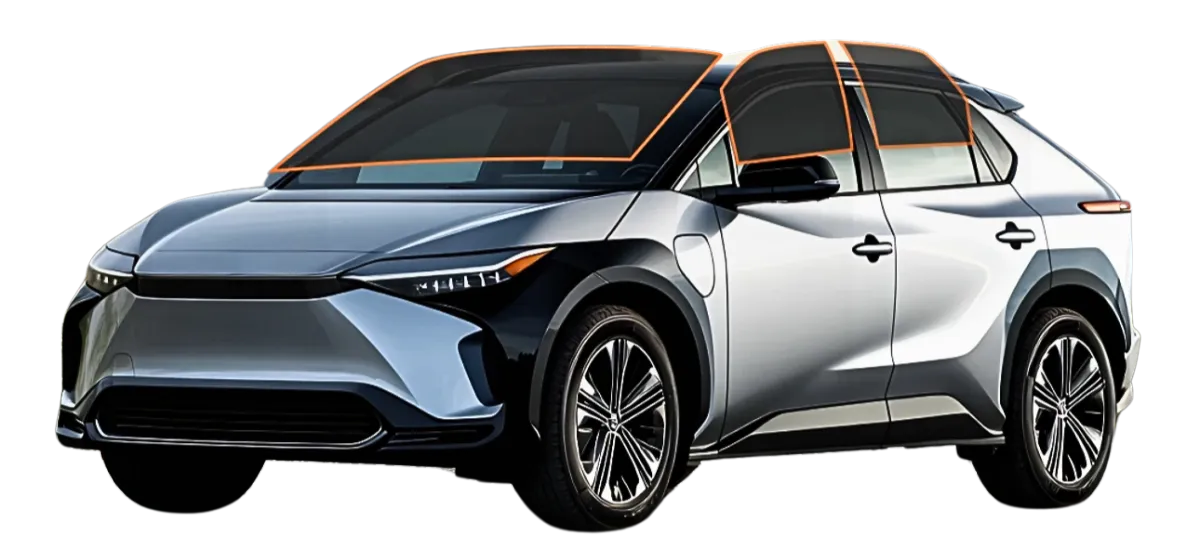
Under Florida Statute, window tint must meet specific minimum VLT percentages depending on the type of vehicle and where the tint is installed. Here’s how it breaks down for passenger cars and multi-purpose vehicles like SUVs, trucks, and vans:

Front Side Windows

Front windows must allow at least 28% VLT, meaning they can block up to 72% of incoming visible light. This applies to both sedans and multipurpose passenger vehicles. LegalClarity

Rear Side Windows and Rear Window

The rules here depend on your vehicle type:

  • Sedans and Coupes: Rear side windows and the rear window must allow at least 15% VLT.

  • SUVs, Vans, Trucks (Multipurpose Vehicles): These windows must allow at least 6% VLT. LegalClarity

This means SUVs, vans, and trucks can have darker rear tint than standard passenger cars. Many owners choose very dark film in the back for privacy, but you still must meet these minimum VLT requirements. NuVision Auto Glass

Windshield Tint Rules

Florida law does not allow tint on the full windshield. Only a small, non-reflective strip above the manufacturer’s AS-1 line is permitted. The AS-1 line is a mark typically etched into the glass by the manufacturer about five inches from the top. Anything below that point must remain untinted. Florida Observer

This rule is about safety and visibility. Law enforcement and state inspections check that the driver’s view forward is not impaired by dark tint across the windshield. TintComply


Reflectivity and Color Restrictions

Florida law also limits how reflective your tint can be.

  • Front side windows cannot reflect more than 25% of incoming visible light.

  • Rear side windows and rear window cannot reflect more than 35%. TintComply

This stops drivers from installing mirror-style tint that could glare into other vehicles and create safety hazards. Highly reflective or metallic films should be avoided unless they clearly fall within these limits.

Florida also prohibits colored tint that alters the natural appearance of the glass. Shades like red, blue, or amber are not legal regardless of their darkness or reflectivity. Only neutral tints such as charcoal, smoke, or gray are accepted. LegalClarity


Medical Exemptions: Who Qualifies and How It Works

In specific cases, Florida offers medical exemptions for people who need darker tint due to health issues. Conditions like lupus, albinism, and other photosensitivity disorders may qualify. LegalClarity

To get an exemption:

  1. A licensed physician must certify that you require darker tint for health reasons.

  2. You must submit the official Application for Sunscreening Medical Exemption (Form HSMV 83390) to the Florida Department of Highway Safety and Motor Vehicles.

  3. Once approved, you must carry your certificate in your vehicle whenever you are driving, and show it if law enforcement asks. LegalClarity

Medical exemptions allow you to go darker than the standard legal limits. Without the exemption on file, even medically necessary tint will be considered illegal. LegalClarity


What Happens If Your Tint Is Illegal?

Florida treats illegal tint as a non-criminal traffic infraction. Law enforcement officers can stop you if they believe your tint violates the law, and they can use a handheld tint meter to measure the actual VLT on your windows. LegalClarity

If your tint fails a meter test:

  • You can receive a citation and a fine.

  • You may be ordered to remove or replace your tint so it meets the legal standards.

  • In some cases, if tint is extremely dark or reflective, you could face higher penalties or registration holds until your vehicle is compliant. LegalClarity

Because enforcement methods and tolerance levels can change over time, it is always good to keep your installer receipt and any certification stickers in your car. These support your case if there is ever a question about legality.


Why Understanding These Rules Matters in Florida

Florida is one of the sunniest states in the country. Tinting your vehicle helps keep your interior cooler, reduces UV exposure, and protects your dashboard from fading. But if your tint is too dark or improperly applied, you could pay more in fines and have the tint removed anyway.

The rules above protect both safety and visibility for you and everyone on the road. By knowing them before you book your tint appointment, you save time and money in the long run.

For the official Florida Statutes and current legal language, you can reference Florida Statute § 316.2951-316.2957 through the Florida Legislature’s website or your local Department of Motor Vehicles.


Mission Tint – Bonita Springs’ trusted name for premium window film, paint protection, and ceramic coatings.
📍Serving Bonita Springs, Naples, and Southwest Florida
📞239-273-5096 |missiontint.com

Back to Blog

Florida Window Tint Laws Explained (2025)

December 29, 20254 min read

Florida Window Tint Laws Explained (2025)

If you live in Florida and are thinking about getting your vehicle tinted, knowing the state’s actual legal rules is important. Window tint in the Sunshine State does more than block heat and UV rays. It also comes with strict legal standards that every driver must follow. This guide covers Florida’s laws in detail, explains what is and is not allowed, and helps you avoid tickets or costly tint removal later.


What Does Florida Law Really Say?

Florida regulates window tint using Visible Light Transmission (VLT). VLT measures how much visible light can pass through your window with the tint film and factory glass combined. The lower the VLT percentage, the darker the tint. The law uses this number to determine if a tint is legal or not. LegalClarity

Under Florida Statute, window tint must meet specific minimum VLT percentages depending on the type of vehicle and where the tint is installed. Here’s how it breaks down for passenger cars and multi-purpose vehicles like SUVs, trucks, and vans:

Front Side Windows

Front windows must allow at least 28% VLT, meaning they can block up to 72% of incoming visible light. This applies to both sedans and multipurpose passenger vehicles. LegalClarity

Rear Side Windows and Rear Window

The rules here depend on your vehicle type:

  • Sedans and Coupes: Rear side windows and the rear window must allow at least 15% VLT.

  • SUVs, Vans, Trucks (Multipurpose Vehicles): These windows must allow at least 6% VLT. LegalClarity

This means SUVs, vans, and trucks can have darker rear tint than standard passenger cars. Many owners choose very dark film in the back for privacy, but you still must meet these minimum VLT requirements. NuVision Auto Glass

Windshield Tint Rules

Florida law does not allow tint on the full windshield. Only a small, non-reflective strip above the manufacturer’s AS-1 line is permitted. The AS-1 line is a mark typically etched into the glass by the manufacturer about five inches from the top. Anything below that point must remain untinted. Florida Observer

This rule is about safety and visibility. Law enforcement and state inspections check that the driver’s view forward is not impaired by dark tint across the windshield. TintComply


Reflectivity and Color Restrictions

Florida law also limits how reflective your tint can be.

  • Front side windows cannot reflect more than 25% of incoming visible light.

  • Rear side windows and rear window cannot reflect more than 35%. TintComply

This stops drivers from installing mirror-style tint that could glare into other vehicles and create safety hazards. Highly reflective or metallic films should be avoided unless they clearly fall within these limits.

Florida also prohibits colored tint that alters the natural appearance of the glass. Shades like red, blue, or amber are not legal regardless of their darkness or reflectivity. Only neutral tints such as charcoal, smoke, or gray are accepted. LegalClarity


Medical Exemptions: Who Qualifies and How It Works

In specific cases, Florida offers medical exemptions for people who need darker tint due to health issues. Conditions like lupus, albinism, and other photosensitivity disorders may qualify. LegalClarity

To get an exemption:

  1. A licensed physician must certify that you require darker tint for health reasons.

  2. You must submit the official Application for Sunscreening Medical Exemption (Form HSMV 83390) to the Florida Department of Highway Safety and Motor Vehicles.

  3. Once approved, you must carry your certificate in your vehicle whenever you are driving, and show it if law enforcement asks. LegalClarity

Medical exemptions allow you to go darker than the standard legal limits. Without the exemption on file, even medically necessary tint will be considered illegal. LegalClarity


What Happens If Your Tint Is Illegal?

Florida treats illegal tint as a non-criminal traffic infraction. Law enforcement officers can stop you if they believe your tint violates the law, and they can use a handheld tint meter to measure the actual VLT on your windows. LegalClarity

If your tint fails a meter test:

  • You can receive a citation and a fine.

  • You may be ordered to remove or replace your tint so it meets the legal standards.

  • In some cases, if tint is extremely dark or reflective, you could face higher penalties or registration holds until your vehicle is compliant. LegalClarity

Because enforcement methods and tolerance levels can change over time, it is always good to keep your installer receipt and any certification stickers in your car. These support your case if there is ever a question about legality.


Why Understanding These Rules Matters in Florida

Florida is one of the sunniest states in the country. Tinting your vehicle helps keep your interior cooler, reduces UV exposure, and protects your dashboard from fading. But if your tint is too dark or improperly applied, you could pay more in fines and have the tint removed anyway.

The rules above protect both safety and visibility for you and everyone on the road. By knowing them before you book your tint appointment, you save time and money in the long run.

For the official Florida Statutes and current legal language, you can reference Florida Statute § 316.2951-316.2957 through the Florida Legislature’s website or your local Department of Motor Vehicles.


Mission Tint – Bonita Springs’ trusted name for premium window film, paint protection, and ceramic coatings.
📍Serving Bonita Springs, Naples, and Southwest Florida
📞239-273-5096 |missiontint.com

Back to Blog

FOLLOW US

We Know We Are The Best Tint : PPF : Ceramic Coating Shop In SWFL

But Don’t Just Take Our Word for It - See What Our Clients Are Saying

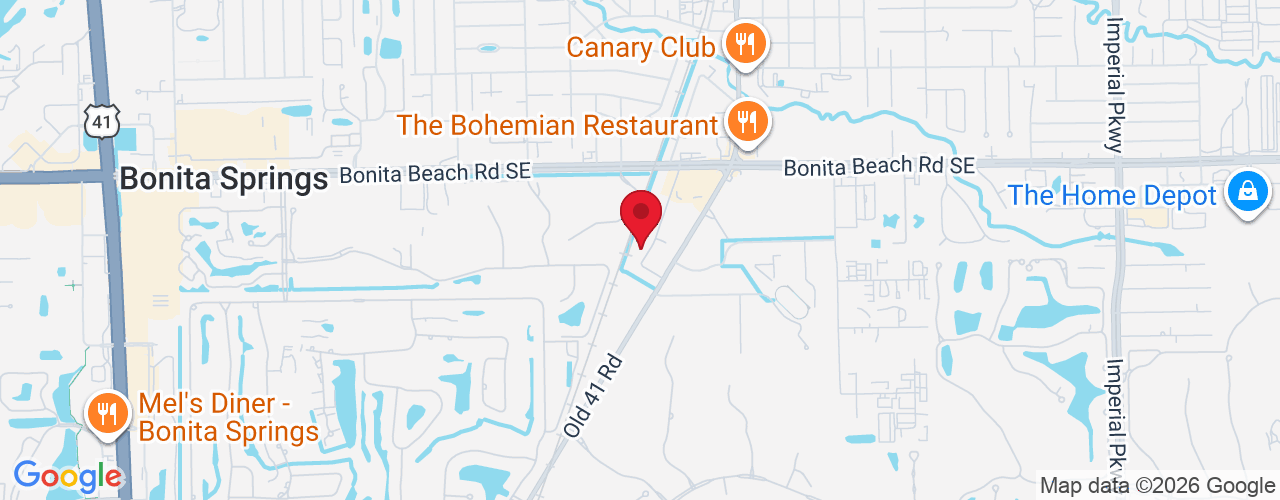
Find Mission Tint Easily on Google Maps Below!

28292 Industrial Rd, Bonita Springs, FL 34135, USA