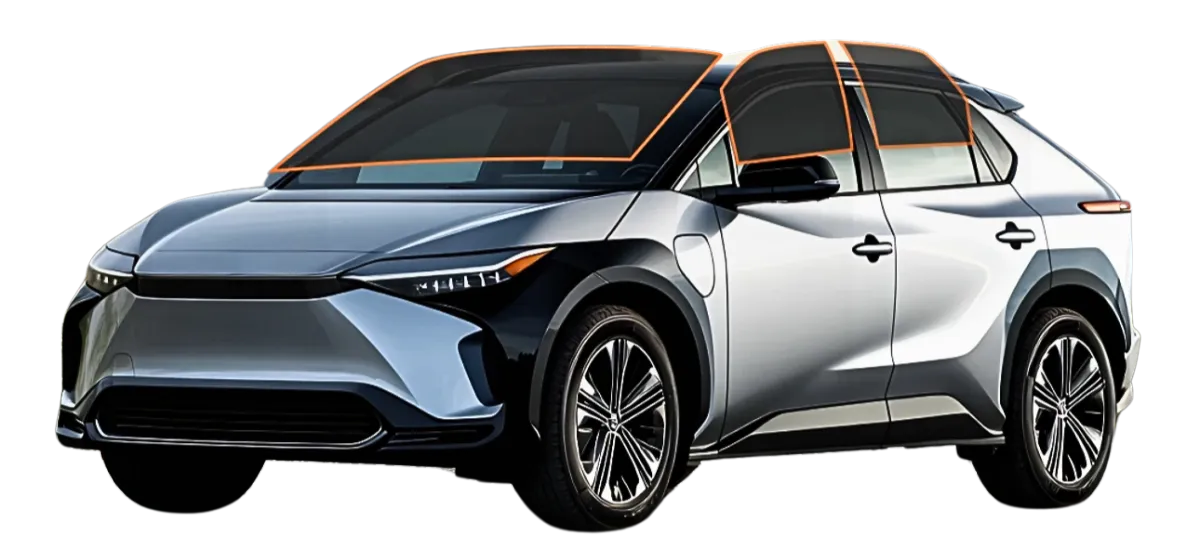
Choosing the Best Window Tint for Florida Vehicles
Window tint is subject to Florida law, which regulates darkness and reflectivity on different vehicle types. Sw Florida drivers often seek darker shades for heat rejection, UV blocking, and privacy, but legal limits must be respected.
What Are the Florida Window Tint Laws?
Florida measures tint darkness as VLT or Visible Light Transmission. Sedans' front side windows must permit more than 28 percent of light through, while SUVs' front windows also have this requirement. Rear windows and back side windows can be tinted darker, with a limit of 15 percent for sedans and more than 6 percent for SUVs.
Reflectivity is limited to certain percentages; front windows cannot be more than 25 percent reflective, and back windows 35 percent. A compliance sticker must be placed between the film and the glass to show adherence to the law. It is recommended to verify current law requirements with Florida DMV or a licensed installer before tinting.
Florida law also permits non reflective tint above the AS-1 line on the windshield. Dual side mirrors are required if the rear window is tinted. Laws may change, so confirming current legal limits is a good practice always. Learn more about the specific legal limits on the window tint laws in Florida.
Choosing the Right Shade for Your Vehicle
The most popular shades for Southwest Florida vehicles are between 20 and 35 percent VLT. Lighter shades, such as 35 percent, still block a good amount of heat and UV but are less dark and easier to see out of at night. Darker shades, like 20 percent, offer increased privacy and glare reduction, especially on sunny days.
Matching the tint shade to your vehicle and personal preference is important, but compliance with Florida law must come first. Factory privacy glass is usually dark enough that additional film is not needed on those panels, and applying film over factory glass is common. You should also consider the film's heat rejection qualities, which may differ at the same VLT depending on the materials used.
When selecting a tint, think about your use case, daily driving, privacy needs, or glare reduction. For SW Florida drivers, investing in high-quality films with high IR rejection can significantly reduce cabin temperature. Visit the window tint section of our site to explore your options.
How Does Florida Sun Affect Window Film?
The Florida sun is intense, and high UV levels accelerate the breakdown of inferior films. Over time, lower-quality dyed films tend to purple or turn less effective at blocking heat and UV. Good quality ceramic or nano ceramic films offer superior durability, block UVA and UVB over 99 percent, and perform consistently in SW Florida's hot climate.
High temperatures cause certain films to lift or bubble if not installed properly or if the adhesive quality deteriorates. Properly applied, quality films resist bubbling, prevent discoloration, and stay clear for years. The thinness of advanced ceramic films allows them to be less noticeable and more effective at heat rejection without sacrificing clarity.
Films with high IR rejection and TSER ratings can significantly improve comfort. Choosing a reputable installer and quality film ensures your tint remains effective despite the harsh Florida environment. Learn more about durable films at our window tint page.
Maintenance tip
Keep tint clean with ammonia free cleaners and microfiber cloths to prevent scratching and preserve clarity over years.
What Are the Benefits of Window Tint in Florida?
Heat and UV Rejection
High-quality window tint blocks over 99 percent of UVA and UVB rays, protecting your skin and interior surfaces from sun damage. It reduces cabin temperature and makes long drives more comfortable, especially during SW Florida summers.
Tint films with high IR rejection improve your comfort by reducing heat transmission through glass. This can cut the need for excessive air conditioning use, saving fuel and minimizing interior wear.
For best results, choose films with high TSER and IR rejection numbers, and verify performance ratings before installation. Find out which film suits your specific needs on the window tint page.
How Long Does Window Tint Last in Florida?
Durability depends on film quality, installation, and maintenance. High-end ceramic and nano ceramic films tend to last many years without yellowing or bubbling, maintaining clarity and heat rejection. Factory tinted windows typically do not need additional film.
Factors like salt air, high temperatures, and humidity can influence how long tint stays effective. Regular cleaning with appropriate products supports longevity. Replacing fade or bubbling tint early helps sustain comfort and UV protection.
For guidance on how often to replace your tint or inspect it, reach out via our window tint section.
Should You Consult a Professional for Window Tinting?
Yes, professional installation is vital to ensure your tint adheres properly, looks smooth, and complies with law. Improper installation can lead to bubbling, peeling, or uneven appearance, which may require costly removal and reapplication.
Experienced installers use precise cutting and heating techniques to avoid damage and ensure durability. They also help you select the right tint percentage to meet Florida legal limits. Quality installation protects your investment and guarantees compliance.
Visit the window tint page for more details on professional tint services in Southwest Florida.
Frequently Asked Questions
Is 20 percent tint legal on a sedan in Florida?
Yes, for sedans, the law permits more than 28 percent VLT on the front side windows, but back windows can be tinted darker. Check the law regularly as regulations can change and consult a professional to ensure compliance.
What tint percentage is best for SW Florida heat?
Higher IR blocking ceramic films can reject more heat even at darker shades. Many drivers find 20 to 35 percent VLT effective, but high IR rejection performance is key to maximizing heat rejection in SW Florida.
How do I prevent tint bubbling after installation?
Ensure proper cleaning before installation and avoid automatic car washes until the film fully cures. Regular maintenance with ammonia free products and professional installation help prevent bubbling and peeling over time.
When should I have my tint redone in Florida?
Schedule a touch-up or replacement if you notice bubbling, fading, or peeling. High-quality films can last many years if kept clean and maintained, but inspect your tint annually to identify issues early. Reach out if you need assistance with repairs or renewals.





Facebook
Instagram
Youtube
TikTok
Google Plus