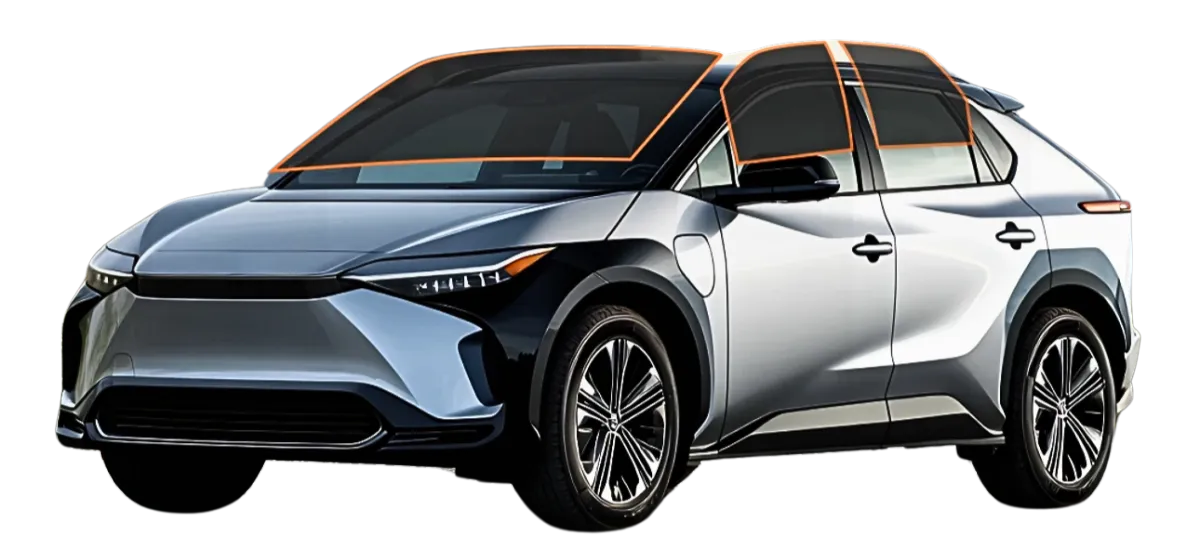
Choosing the Best Window Tint Shade for Southwest Florida Vehicles
Choosing the right window tint shade is essential for legal compliance, heat rejection, and privacy in Southwest Florida. The best shade depends on your vehicle type and personal preferences, but knowing Florida tint laws helps you avoid fines and ensure comfort during summer months.
What is the legal tint in Florida for vehicles
Florida measures tint by VLT, which means the percentage of light allowed through the glass and film. Sedans require more than 28 percent VLT on the front side windows, while SUVs must have more than 28 percent on the front and more than 6 percent on the back. These limits help drivers stay compliant and avoid penalties.
The rear window and side windows can be darker, especially for SUVs, but reflectivity limits still apply. Reflectivity is capped at 25 percent for front windows and 35 percent for back and rear windows. Always confirm current laws before choosing your tint level, as regulations may change.
To comply, installers place a compliance sticker between the film and glass and apply a non-reflective film within legal limits. It is best to verify legal requirements with the Florida Department of Highway Safety and Motor Vehicles or with a licensed installer familiar with local rules.
How do different shades affect heat and UV rejection
Darker tints generally block more sunlight, reducing cabin temperatures and glare. However, the tint's material type also matters; ceramic and nano ceramic films offer higher heat rejection without sacrificing VLT levels. These films can reflect over 99 percent of UVA and UVB rays, protecting your interior.
Light shades, such as 30 percent or higher, still block significant UV radiation and provide privacy, but may not reduce interior temperatures as effectively. The optimum choice balances legal limits, personal preference, and performance goals, especially in high UV areas like Bonita Springs and Fort Myers.
For a combination of heat rejection and legal compliance, look for films labeled as ceramic or nano ceramic with high TSER ratings. Browse options to find the best match for your vehicle and lifestyle.
Are reflectivity limits important for Florida tinting
Limits on reflectivity and mirror-like finishes
Florida restricts reflectivity to prevent glare and mirror-like appearances on vehicle windows. Front windows may not be more than 25 percent reflective, and rear windows are limited to 35 percent. These limits help drivers reduce glare and avoid distracting other motorists.
Reflectivity can influence how the tint looks during daylight and at night. High reflectivity films may cause reflections that bother the driver and others nearby, especially on sunny days. Respect the legal cap to ensure your tint remains compliant.
Choosing a non-reflective or low-reflectivity film also maintains a more consistent appearance and avoids attracting law enforcement attention. Many high-performance films are specially designed to stay within these limits while offering superior heat rejection and UV blocking.
Good to know
Applying a high-quality ceramic tint can improve heat rejection without exceeding reflectivity limits for Florida vehicles.
What happens if I move from another state with darker tint
Compliance when transporting from out of state
If you move to Florida with tint that exceeds local legal limits, you are required to remove or replace the film to avoid fines. Law enforcement can measure VLT with a meter during stops, and non-compliant tint may lead to citations.
It is best to check your current tint's darkness to ensure it meets Florida standards before bringing your vehicle into the state. Some out-of-state tint films might be darker than allowed, especially on SUVs where the rear window can be tinted more than 6 percent.
If needed, remove or upgrade your tint to a compliant film, particularly if you plan to stay long-term or register your vehicle in Florida. A professional installer can help you correct any non-compliance quickly and properly.
Why selecting the right tint is vital for South Florida
Southwest Florida experiences intense sun, high UV index, and humid conditions that accelerate interior fading and increase cabin temperatures. The right tint can add comfort, protect occupants, and reduce glare during daily drives.
High-performance films like ceramic or nano ceramic are preferred for their superior heat rejection and UV blocking capabilities. These films can keep the interior cooler and help preserve the vehicle's condition over time.
Choosing the correct tint shade also ensures you stay within legal limits, avoiding stops by law enforcement and potential fines. Consult an expert to find the ideal balance of legality, performance, and appearance for your vehicle.
Florida fact
Remember that Florida tint laws can change, so always verify current regulations before getting your windows tinted.
What to consider when choosing your window tint shade in FL
Think about how much light you want to let in versus how much heat you need to block. Lighter shades of 35 percent VLT still offer UV protection and privacy, but darker shades can significantly reduce cabin temperature and glare.
Match your window tint with your vehicle's main usage. For example, if you frequently spend time on highways like I-75 or US 41, a heat rejecting ceramic film can make long drives more comfortable while staying within Florida's legal limits.
Assess the appearance at night. Some darker tints can reduce visibility, making it harder to see out of windows in low light. Usually, a 20 to 35 percent shade is a good compromise for night driving and daily comfort.
Always work with a licensed installer familiar with Florida's laws to select the right film and shade. Proper installation ensures longevity and compliance for the life of the vehicle.





Facebook
Instagram
Youtube
TikTok
Google Plus