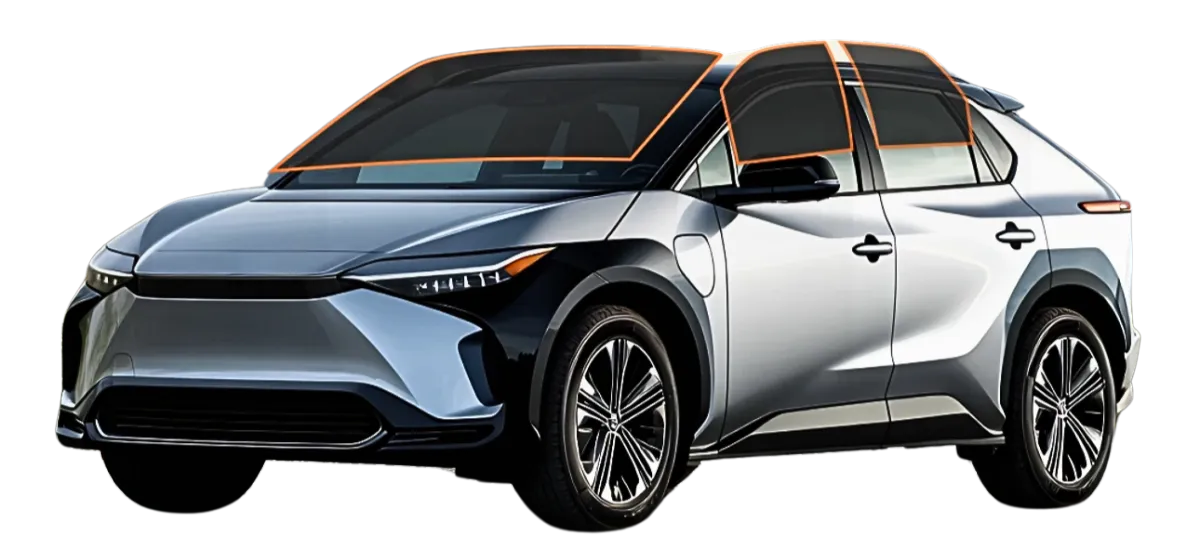
Best Window Tint for Southwest Florida Vehicles
Window tinting laws in Florida specify how dark your windows can be on different vehicles. For sedan drivers, front side windows must allow more than 28 percent of light through, while SUVs and vans have different rear restrictions. Films like ceramic or nano ceramic are popular because they block UV rays and reject heat effectively. Selecting a tint that complies with state law avoids fines and ensures safety. It also enhances privacy and reduces glare inside your vehicle. Learn more at the dedicated page on legal tint options.
Florida tint law details
Florida measures tint as VLT, the percentage of light allowed through the glass and film together. Sedans require more than 28 percent VLT for the front side windows, while rear windows must have more than 15 percent. SUVs and trucks have less restrictive rear side windows, requiring only more than 6 percent. The law also limits reflectivity levels, with front windows not exceeding 25 percent reflectivity. It is important to verify current regulations as they can change over time.
Tint law regulations can vary for different vehicle classes and may change, so always confirm current laws with the authorities or your installer. Films like ceramic or carbon block over 99 percent of UVA and UVB rays, which protects your interior and skin. A visible compliance sticker should be applied between the film and glass to demonstrate your adherence to legal standards. Choosing the right film and shade ensures you stay within legal limits and enjoy the benefits of UV protection and heat rejection.
How to choose the proper tint shade
Many drivers wonder what the actual appearance of various VLT numbers looks like. Light shades such as 35 percent are semi-transparent and less effective at heat rejection, while darker options like 15 or 20 percent provide more privacy and heat rejection. The shade you select should match your needs for comfort and compliance. White or silver vehicles benefit from lighter shades to avoid increasing glare or reducing visibility, especially at night. For a white sedan, a tint around 35 percent strikes a good balance between function and appearance.
At the same time, you should consider how the tint looks at night versus in the daytime. Some darker tints may reduce visibility in low-light conditions, which can pose safety concerns. The depth of tint on the windshield, usually a strip along the top, can help reduce glare without affecting driver visibility. Always check with local laws to confirm which shades are permissible for your vehicle type and location. Your choice of tint depends on your driving habits and style preferences.
Impact of the southwest Florida climate
How local weather and sunlight affect tint
Southwest Florida experiences high UV levels and intense sun exposure year round. This climate causes interior materials like dashboards and upholstery to fade and crack over time. Cheap or older films might yellow or bubble under continuous heat and sun, which makes selecting quality films important. Films like ceramic or nano ceramic offer superior heat rejection and UV protection, which is vital for moderate to high sun exposure.
Consistent high humidity and salt air near the coast accelerate interior and exterior wear caused by moisture and salt buildup. Salt spray can also damage the edges of the tint if not properly sealed. A high-quality ceramic film can resist yellowing and bubbling longer, making your investment last significantly longer in this environment. Regular maintenance like cleaning with ammonia free products helps preserve the tint's clarity.
Choosing a film with high IR rejection can keep your cabin cooler, especially during peak afternoon hours. It will also slow interior fading, which is common in coastal areas. Being proactive about tint choice based on local conditions can mean years of service and comfort from your investment. For lasting results, select a film designed specifically for warm, humid climates like southwest Florida.
Maintenance tip
Use ammonia free cleaner and soft microfiber cloths to clean tinted windows, avoiding harsh scrubbers that can scratch the film surface.
What to consider when tinting your vehicle in Florida
Legal, safety, and performance factors
Ensuring your tint complies with Florida laws avoids tickets and fines. Always ask your installer to verify the VLT and reflectivity levels of the film before application. Opt for films like ceramic that offer high sun protection without interfering with signals for GPS, cell, or keyless entry.
Quality installation also matters because poorly applied tint can lift at the edges or bubble over time. Wrapping edges around the window frame helps keep the film in place longer and prevents peeling. Keep in mind that some films may need replacement after several years due to wear from sun and salt exposure. Regular inspections can help you decide when a new application is needed.
Protecting your vehicle from sun damage, glare, and UV rays enhances driving comfort and interior longevity. A properly selected and installed film will serve well in Bonita Springs, Naples, and other Southwest Florida areas for many years. A consultation with a professional installer ensures you get products tailored exactly to your needs.
Good to know
Tinting your vehicle with a quality film reduces interior fading and protects seats and dashboards from sun damage.
Frequently Asked Questions
Is 20 percent tint legal in Florida on an SUV
Yes, on SUVs and vans, rear side windows and the rear window can carry at least 6 percent VLT. This makes 20 percent a common choice for those wishing for privacy while remaining within legal limits. Always check your vehicle class and current regulations before tinting.
Can I tint my windshield in Florida
Yes, non-reflective film above the AS-1 line on the windshield is permitted. Some drivers choose a narrow strip to reduce glare and heat, but it must not be reflective or dark beyond the legal limit. Confirm with local law enforcement if unsure about specific applications.
What causes water spots on tinted windows in Florida
Water spots can form from mineral deposits left by sprinkler systems, rain, or bird droppings. They survive normal car washes due to hard water mineral deposits. To prevent spots, regularly rinse your windows with deionized water and avoid washing in direct sunlight.
How often should I replace my window tint
In Florida, high UV and salt exposure tend to wear out lower-grade films faster, often after several years. Signs of aging include bubbling, discoloration, or loss of clarity. To maintain optimal heat rejection and UV protection, replacing older tint with a high-quality film is recommended when deterioration becomes noticeable.





Facebook
Instagram
Youtube
TikTok
Google Plus