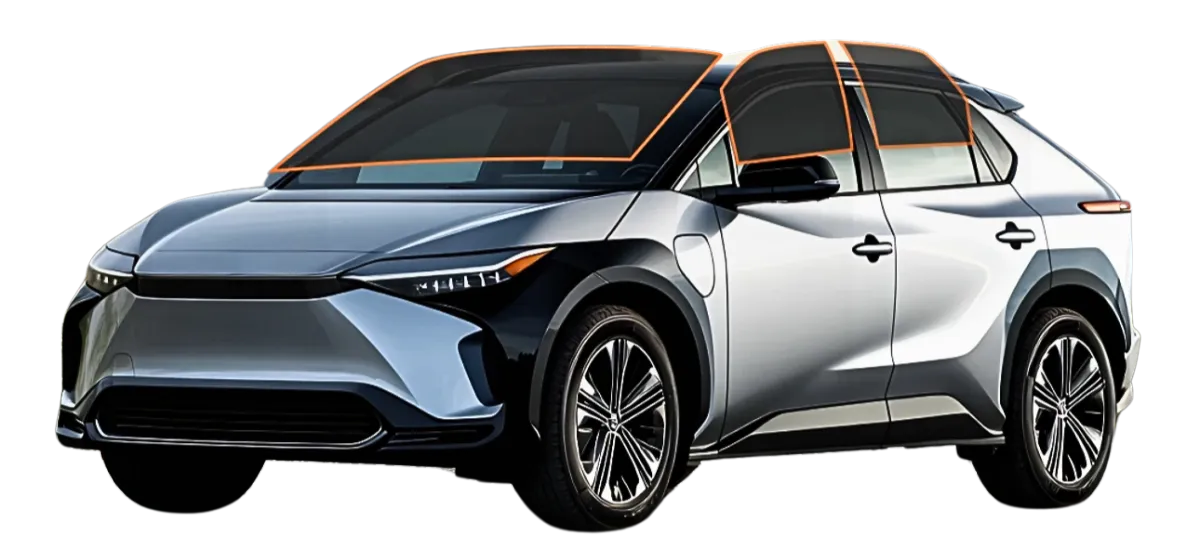
Choosing the Right Window Tint for Your Bonita Springs Vehicle
Choosing the right window tint for your vehicle in Florida involves understanding state laws and selecting a shade that balances heat rejection with legal compliance. Southwest Florida drivers often seek films that reject heat while staying within VLT limits to avoid tickets and fines.
What Are Florida Window Tint Laws?
Florida measures tint by VLT, the percentage of light that passes through the glass and film combo. Sedans must allow more than 28 percent of light through on front side windows, while back windows need more than 15 percent. SUVs and vans are allowed more dark tint on the rear windows, with back and side limits based on vehicle class.
Reflectivity limits also apply. Front side windows may not be more than 25 percent reflective, and rear windows up to 35 percent. The law requires dual side mirrors if the rear window is tinted. These rules can change, so current Florida Department of Highway Safety and Motor Vehicles requirements should be checked before tinting.
Film types differ in performance. Ceramic films offer the best heat rejection without interfering with signals and are often chosen for Florida vehicles. These films block over 99 percent of UVA and UVB rays, reducing interior fading and sun damage. For more details, visit window tint selection.
Why Is Sun Protection Important for Southwest Florida Vehicles?
With year round high UV levels, Southwest Florida drivers face interior damage from direct sunlight. Dashboard cracking, faded door panels, and sun-bleached headliners are common issues. Window tint helps by blocking UV rays, protecting interior surfaces from fading and cracking over time.
Tint also reduces glare, making driving safer and more comfortable during the bright Florida sun. It can slow interior fading caused by the sun's UV rays, preserving your vehicle's appearance. Remember, the best window films block over 99 percent of UVA and UVB rays for maximum protection.
Choosing a film that complies with Florida laws ensures you stay legal and avoid enforcement issues. For detailed product options suited for Florida climate, check our tint products.
How to Choose a Window Tint Shade That Works for You
Deciding on the right tint shade involves balancing heat rejection, privacy, and legality. Lighter shades over 28 percent VLT are recommended for front side windows on sedans, while darker rear windows improve privacy for SUVs and trucks. A darker tint does not necessarily mean better heat rejection, as ceramic films excel at blocking heat regardless of darkness.
At night, lighter shades improve visibility and reduce glare, so consider your driving patterns when selecting a shade. Silver or light gray tint films are popular for their ability to reject heat without overly darkening the glass. Always verify the VLT percentage for your vehicle class to stay within Florida regulations.
For more guidance, consult with a professional installer about your vehicle size and typical driving conditions. Explore options on our website.
Will Window Tint Affect My Vehicle's Signals?
Signal Interference and Film Quality
Metallic or hybrid films can interfere with radio, GPS, and cell signals. Ceramic films, including XPEL XR Black and XR Plus, do not contain metals and therefore do not block signals. They provide superior heat rejection and UV protection without signal issues.
Choosing a high-quality ceramic film ensures you get effective UV blocking and glare reduction while maintaining signal clarity. Film performance depends on the type and quality, so ask installers about the film's IR rejection capabilities and heat rejection values.
Installing a film that meets Florida law and your needs guarantees proper function and legal compliance. Visit our film options to learn more.
Maintenance tip
Always clean tinted windows with ammonia free cleaners and microfiber cloths to avoid damaging the film surface.
What Happens If I Don't Follow Florida Tint Laws?
Enforcement and Penalties
Tint laws are strictly enforced during traffic stops, with police checking for VLT and reflectivity. If your tint is too dark or reflective beyond legal limits, you may face tickets and fines. It is essential to have the tint compliance sticker between the film and the glass to verify legality.
Installing film that exceeds Florida limits can lead to the removal and reinstallation at your expense. Using compliant film and ensuring proper application can prevent enforcement issues and keep your vehicle road legal.
Legal tint compliance helps avoid delays and additional costs. For detailed legal info and application tips, visit our law overview.
Protecting your investment involves choosing a quality film installed correctly. Reach out today to discuss your tint options.




Facebook
Instagram
Youtube
TikTok
Google Plus