Choosing the Right Window Tint Darkness for Florida Vehicles
Tinting windows in Florida requires understanding local laws. Front side windows must allow more than 28 percent of light through for sedans while rear windows need more than 15 percent. Choosing the right tint shade improves comfort without risking legal issues.
Florida Window Tint Laws Explained
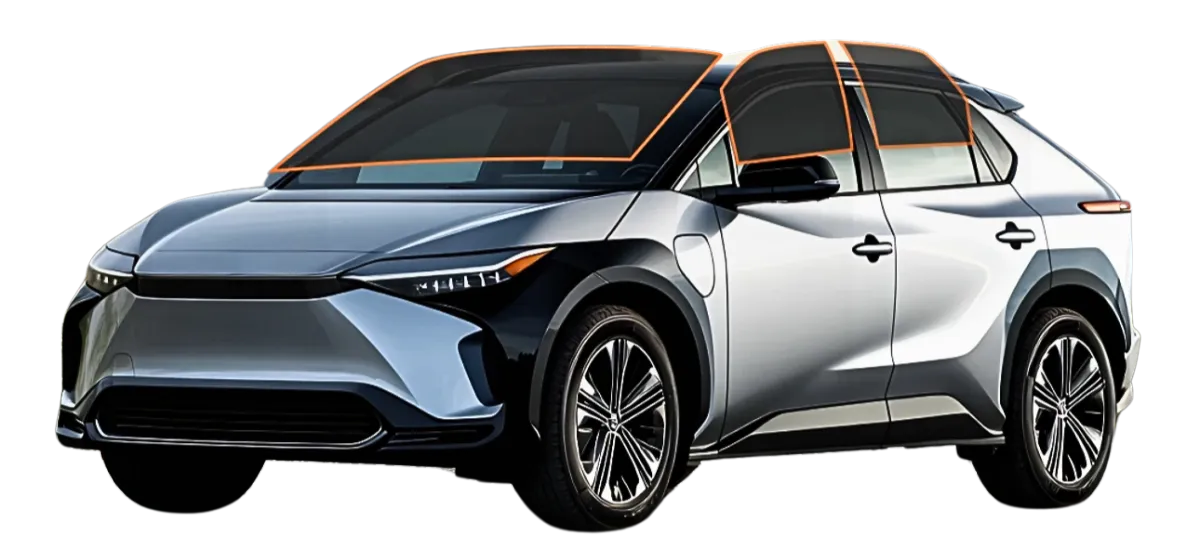
Florida measures tint by VLT, the percentage of light passing through combined glass and film. Sedans must have more than 28 percent on front windows, while SUVs and vans require more than 28 percent on front and more than 6 percent on rear windows. The rear window can have a non reflective tint above the AS-1 line on the windshield.
It's essential to confirm current regulations with the Florida DMV or an experienced installer. The state enforces tint limits at police stops using visual assessment and tools, and a compliance sticker is required inside your vehicle. Overall, staying within legal limits ensures compliance and avoids fines.
How Tint Darkness Affects Florida Vehicles
Darker tint films block more heat and glare, making the interior cooler and reducing eye strain. They also provide increased privacy and conceal belongings in the cabin. However, excessive darkness on the front side windows can impede visibility at night or during adverse weather conditions.
Different films have varying heat rejection capabilities, even at the same VLT. Quality films with IR rejection properties will reject more heat without needing to be very dark. It is important to balance legal limits with your comfort needs by choosing the proper tint level for your vehicle.
Choosing the Right Shade for Your Vehicle
What Does Different VLT Percentages Look Like?
Films with 35 percent VLT are quite light, offering some UV protection and privacy without darkening the glass excessively. A 20 percent tint provides more privacy and heat rejection while still being safe for night driving. Very dark films like 15 percent or lower increase privacy but can limit visibility after sunset.
Matching the tint shade with your vehicle color and personal preferences helps create a balanced look. White or silver vehicles are usually complemented well by lighter tints, which also keep the cabin cooler. Less dark tints are often more compliant with Florida laws and easier to see through at night.
Learn about custom tint shades and options to find the most suitable solution for your vehicle and driving needs.
Maintaining Your Window Tint in Southwest Florida
Proper cleaning extends the life of your tint and keeps it looking clear. Always use ammonia-free cleaners and microfiber cloths to avoid damaging the film. Avoid automatic car washes that use harsh brushes during the initial curing period.
Water spots are common in Florida's humid climate, so regular hand washing is recommended. Also, avoid abrasive scrubbing that can lift edges or cause scratches. A well-maintained tint remains effective and legal longer, providing continued comfort and privacy.
Good to know
Keep your window tint clean and follow local laws to avoid costly reapplications.What You Should Know Before Tinning Your Vehicle Windows
Legal Considerations Before Installing Tint
Check current Florida regulations for the vehicle class, as laws specify different limits for sedans versus SUVs. Always work with licensed professionals who adhere to state laws and use quality films with proper certification.
Retrofitting or replacing old tint may require proper removal to avoid paint damage or bubbling issues. Ensure your installer provides warranties that cover film durability and compliance, especially in Florida's challenging climate.
Understanding legal limits and choosing quality films prevent future hassles and ensure your vehicle remains in compliance for years to come.
Conclusion
Choosing the correct window tint for your vehicle in Florida means balancing legal requirements with personal comfort and privacy needs. Knowing your options and proper maintenance can keep your tint looking good and performing well for many years. When ready, reach out to find the best tint solution for your vehicle and driving conditions in Southwest Florida.





Facebook
Instagram
Youtube
TikTok
Google Plus