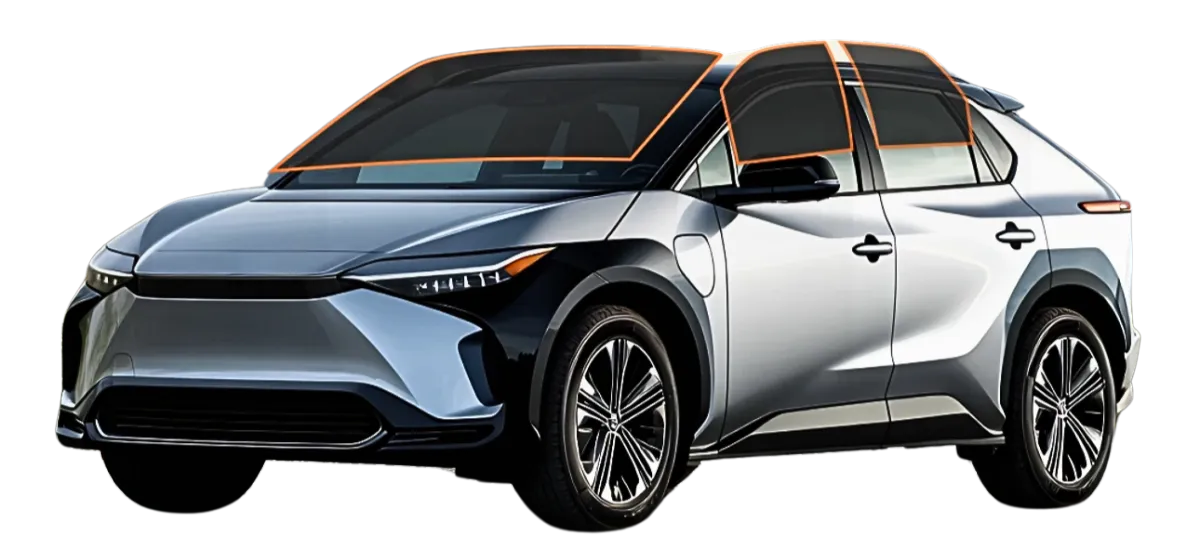
Choosing the Right Window Tint Shade for Florida Drivers
Choosing the right window tint shade in Florida depends on your preferences and legal limits. The VLT percentage determines how dark your film appears and how much heat it rejects. Always confirm current Florida tint laws to ensure compliance and comfort.
What does VLT mean in window tint?
VLT stands for Visible Light Transmission, which indicates the percentage of light allowed through the glass and film combined. A higher number means more light passes through, making the tint appear lighter. For most Florida vehicles, front side windows must allow more than 28 percent light while rear windows can have less, as long as they meet the law.
Knowing your VLT helps you choose a shade that balances privacy, glare reduction, and heat rejection. The visible difference between a 20 and a 35 percent tint is noticeable, especially at sunset or in bright sunlight. Darker tints, like 15 percent, block more light but may not be legal on front windows in Florida.
Check the legal requirements and available shades for your vehicle class by visiting window tint laws in Florida. Always select a shade that fits your needs without risking legal issues or visibility problems during night driving.
Why is choosing the right VLT important in Florida?
Florida's high UV and sun exposure make selecting an effective tint essential for comfort and vehicle longevity. Proper VLT helps reduce cabin temperatures and prolongs interior materials' life. Too dark and it may violate state law; too light and it might not offer enough heat rejection.
The hotter climate means even a slightly lighter tint can significantly improve driving comfort. Properly matching the shade to your vehicle's needs ensures you avoid fines and enjoy the benefits for years to come. Always verify the current VLT limits for your vehicle type through official sources or experienced installers.
Visit window tint regulations in Florida for up-to-date information and options to meet your needs while staying compliant.
What to consider when selecting a tint shade?
Evaluate your daily driving conditions, including the amount of sun exposure on roads like Bonita Beach Road or Immokalee Road. Lighter shades like 35 percent are suitable for drivers requiring minimal visibility impact but still want some glare reduction.
darker tints such as 20 percent or below provide more privacy and heat rejection but may limit visibility at night. Vehicle type also matters; SUVs and trucks often have different legal restrictions compared to sedans. Matching your vehicle's style and your needs will help you find the best shade.
Consult with your installer and consider testing different tints to see how they look during day and night driving. The goal is to find a balance between legality, comfort, and appearance that fits Florida conditions.
How does the appearance of tint change at night?
Visual differences after sunset
Light shades like 35 or 28 percent still allow good visibility during the day but appear darker at night. The contrast is more noticeable when streetlights and oncoming headlights are present. Choosing a slightly lighter shade for front windows can help maintain visibility and safety.
darker tints like 15 or 20 percent can cause visibility issues after dark, especially on roads with poor lighting. It is advisable to test your chosen shade in low light conditions before final installation.
Remember, law enforcement checks your tint at stops using light meters. Ensuring your tint looks appropriate in both daylight and nighttime scenarios helps you stay compliant and avoid issues.
What are common mistakes when selecting window tint?
Many vehicle owners choose darker shades without considering the legal limits or how tint appears under night conditions. This can lead to fines, rework costs, and unsafe driving conditions. Another mistake is not verifying the current regulations, which can change over time.
Trying to buy cheaper films or DIY kits might result in bubbling, peeling, or poor heat rejection. Always opt for high-quality films and professional installation. It ensures durability, compliance, and the expected performance of your window tint.
Matching the right shade with your vehicle's exterior and your personal preferences avoids problems down the road. Proper understanding of VLT and local laws makes your tint job both legal and effective.
Contact experienced professionals to guide your tint selection and ensure a smooth, compliant process that enhances your Florida driving experience.




Facebook
Instagram
Youtube
TikTok
Google Plus