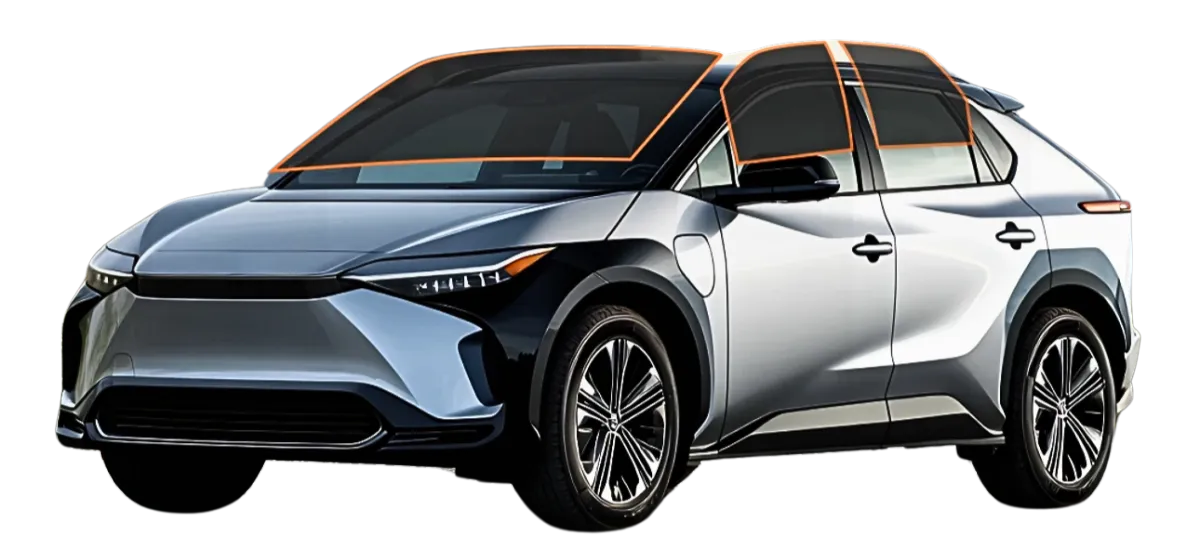
Florida Window Tint Laws and Optimizing Your Vehicle
Window tint laws in Florida specify the maximum allowed tint darkness and reflectivity for different vehicle types. Knowing these limits helps avoid fines and ensures legal compliance while enjoying UV protection and glare reduction. It's also important to understand how tinting affects cabin temperature and interior wear over time.
What are the Florida window tint law limits for sedans?
Florida law dictates that sedans' front side windows must allow more than 28 percent of light through. The back side windows and rear window can have tint that lets in more than 15 percent light. Reflectivity is limited, with no window being more than 25 percent reflective for front windows and 35 percent for the back windows.
This means that vehicle owners should choose tint films that meet or exceed these VLT percentages to stay compliant. Most quality films are designed to meet these standards while providing significant UV rejection and heat rejection. Be sure to request the proper certification sticker that indicates the film's compliance with Florida regulations.
Visit https://missiontint.com/windowtint for details on legal tint options and installation standards.
Why is UV protection important for Florida drivers?
Florida's year-round high UV exposure leads to interior fading, cracking, and accelerated wear on dashboards, door panels, and upholstery. Window tint films that block over 99 percent of UVA and UVB rays can help preserve your vehicle's interior. UV protection also reduces the risk of skin damage for your passengers during daily drives.
Tint films with advanced UV rejection capabilities are a common upgrade for drivers concerned about interior longevity. They can't stop impact damage or prevent door dings, but they do provide a significant shield against harmful rays.
Look for films that specify UVA and UVB block percentages when considering your options. They will help keep the interior cooler and preserve its appearance longer. More information on UV protection can be found here.
How does window tint law enforcement happen in Florida?
Law enforcement typically checks for compliance through visual inspection and whether the film's certification sticker is present. Officers may examine reflectivity and darkness levels by aiming a light meter at the windows. Tint that exceeds legal limits can lead to fines and the requirement to remove or replace the film.
In some cases, tinted windows may be flagged during routine stops or safety inspections. Dual side mirrors are required when back windows are tinted beyond certain reflectivity limits. Staying within legal VLT and reflectivity standards avoids the hassle of citations and re-tinting.
Always confirm your tint compliance with current Florida law and keep the certification sticker visible. For more on law enforcement procedures, see https://missiontint.com/realtimequote.
What are the best tint films for Florida's climate?
UV and heat rejection
Ceramic films deliver the best UV blocking and heat rejection capabilities without interference to signals like GPS or cell service. Films like XPEL XR Plus and others specifically designed for extreme Florida heat can help keep your cabin cooler and UV protected.
Choosing the right film can significantly reduce interior temperatures and protect against UV damage. These films are usually more durable and maintain clarity longer than dyed or metallic options.
Visit https://missiontint.com/ceramiccoating for a selection of ceramic tint options suitable for Florida drivers.
What are common mistakes when tinting in Florida?
One frequent mistake is choosing a film that exceeds the legal limit, leading to citations. Another is applying poorly fitted tint, which can lift at edges or bubble over time. Not requesting certification stickers or not understanding the legal requirements can also cause issues.
Additionally, some vehicle owners attempt DIY tint jobs that result in uneven coverage and premature peeling. Consulting a professional installer ensures the film is applied smoothly and meets all Florida regulations.
Learn about professional tinting standards here.
Good to know
Always verify the current Florida window tint laws before installation, as these regulations change periodically and vary by vehicle type.
What should I consider when choosing a tint shade?
Legal limits and appearance
The legal limit for sedans is more than 28 percent VLT for front windows, which still provides privacy and glare reduction. If you prefer darker shades for back windows, ensure they meet the minimum legal widths.
Light shades reflect more sunlight and are less conspicuous at night. Darker shades help block heat but may restrict visibility if too dark, especially at night. Matching your tint shade to your vehicle's color and style can enhance overall appearance.
For additional guidance on choosing the right shade, visit https://missiontint.com/windowtint.
Choosing the correct tint depends on balancing legal compliance, visual preference, and thermal performance.
Reach out to discuss options that fit your needs and stay within Florida law.





Facebook
Instagram
Youtube
TikTok
Google Plus