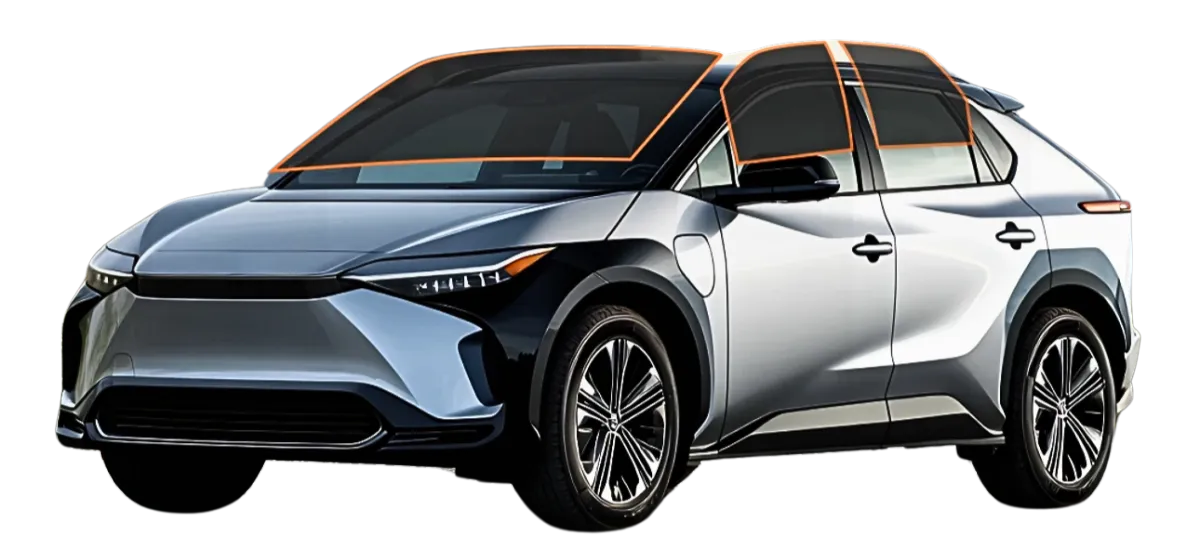
How Tint and Coatings Affect Vehicles in Southwest Florida
Window tint laws in Florida specify the minimum light transmission levels for different vehicle types, affecting your choices and compliance options. While tint can reject heat and block UV rays, select the right VLT percentage for your sedan or SUV to meet legal requirements and maintain visibility.
Understanding Florida Window Tint Laws
Florida measures tint by VLT, or visible light transmission, with specific limits for sedans and SUVs. For sedans, front side windows must allow more than 28 percent of light through, while back side windows and the rear window need more than 15 percent. For SUVs and trucks, front windows are also required to have more than 28 percent VLT, but rear windows must allow more than 6 percent to stay within the law.
Reflectivity limits are in place to reduce glare and mirror-like appearances; front windows can be no more than 25 percent reflective, and rear windows no more than 35 percent. Dual side mirrors are mandatory when rear windows are tinted, ensuring safety and compliance. Always verify current regulations with the Florida Department of Highway Safety and Motor Vehicles before installation.
Legal tint stickers are required and must be positioned between the film and the glass on your vehicle. Laws can evolve, so confirming the latest Florida tint regulations is recommended before choosing a film shade or color. To stay within legal limits while enjoying the benefits of heat rejection, consult with professional tint installers familiar with Southwest Florida's rules.
Choosing the Right Shade for Southwest Florida
The visual appearance of tint varies depending on the VLT percentage, with darker shades providing more heat rejection but lower visibility. A 20 percent VLT looks much darker than a 35 percent shade and offers better UV protection. When selecting tint, consider your driving habits and desired privacy levels to find the optimal compromise.
Light shades such as 35 percent are popular among white and silver vehicles because they maintain a bright appearance while still reducing glare and blocking some UV. Darker tints like 15 or 20 percent can significantly cut heat but may reduce visibility at night, which should be considered for safety purposes. Factory privacy glass can be supplemented with additional tint for increased privacy and UV protection.
Nighttime visibility is critical; lighter shades are safer for driving in dim conditions. In Southwest Florida, where the sun's high UV makes tinting appealing, choose a VLT that balances legal compliance, aesthetic preferences, and functional benefits. Professional installers can help customize the shade to match your vehicle's color and your lifestyle needs.
What Window Film Technology Works Best in Florida
What Are the Differences in Film Types
Dyed films tend to be the most affordable but can turn purple over time under UV exposure. Metallic or hybrid films offer better heat rejection but may interfere with signals and GPS. Carbon films provide a middle ground, with good UV and heat rejection without signal interference. Ceramic or nano ceramic films excel in blocking infrared heat, providing superior comfort in Southwest Florida's climate.
Ceramic films do not contain metal, so they don't interfere with radio signals or cell phones. They offer over 99 percent UV blockage and higher TSER ratings, which describe heat rejection. When selecting a film, consider durability and performance, especially in high UV environments where films are exposed to year-round sun and humidity.
Choosing the right film depends on your priorities, budget, heat rejection, signal interference, or longevity. All film types can be applied over factory privacy glass or clear windows to enhance comfort and UV protection. The best approach is selecting quality grade films that meet your needs and Florida's legal standards.
How Tint and Coatings Impact Vehicle Longevity
While window tint blocks UV and reduces interior heat, it does not have an impact on paint or bodywork. Ceramic coatings, on the other hand, are designed to protect paint surfaces from UV oxidation, water spots, and organic contaminants common in Florida. Applied over the paint, they create a hydrophobic layer that helps keep the surface clean and makes washing easier.
Paint protection films are installed on vulnerable areas like bumpers and hoods to absorb impacts from road hazards. PPF can self heal minor scratches and swirl marks when exposed to heat, maintaining a smooth appearance. Combining films with coatings can extend the lifespan of your vehicle's finish, especially in humid, salty coastal environments.
Protecting your vehicle from the effects of high UV exposure, salt air, and debris preservation requires understanding what each product does best. While window tint improves comfort and legality, ceramic coatings and PPF safeguard the paint, reducing long-term deterioration. Proper maintenance enhances durability, so follow the recommended cleaning procedures for each product.
Good to know
Regularly cleaning tinted windows with pH neutral soap and soft microfiber cloth prevents streaks and preserves clarity. Avoid abrasive cleaners and harsh chemicals that can degrade films and coatings over time.
How to Maintain and Care for Your Vehicle Films
Cleaning and Polishing Tips
After installation, do not roll down your windows for at least three days to let films cure properly. When washing your vehicle, use two buckets, one for clean water and another for rinsing tools, to prevent dirt from scratching sensitive surfaces. Gentle washing with a microfiber sponge and pH neutral soap ensures your tint, PPF, and coatings stay clear and damage-free.
For paint protection films, avoid automatic car washes with brushes in the first week to prevent lifting or pulling at edges. Hand washing remains the safest method, especially in Florida's pollen and salt-laden environment. Regularly inspecting edges and corners can help catch lifting or bubbling early, preventing costly repairs later.
Waxing over ceramic coatings or film can be beneficial if using products compatible with these surfaces. Always consult your installer about suitable products; many recommend specific sprays or toppers to enhance gloss and water repellency. Proper maintenance prolongs the effectiveness of your vehicle protection measures for years to come.
Common Misconceptions About Vehicle Films in Florida
What Owners Often Get Wrong
Many believe that tint is only for privacy or appearance, but in Florida it significantly helps reduce cabin heat and UV exposure. Some think ceramic coatings prevent impacts or chips, but they mainly make cleaning easier and resist UV damage. It's common to assume all films will last forever; however, quality films over time can yellow, lift, or bubble if poorly maintained or exposed to extreme conditions.
The myth that self healing is instant or permanent is also widespread. Light scratches may close when heated, but deeper damage requires repair or replacement. Likewise, some owners think applying over old tint is fine; in reality, removing old film before new tint maximizes adhesion and longevity.
Understanding these facts helps in planning for proper protection and avoiding unnecessary costs. Choosing quality films and coatings, along with appropriate maintenance, offers the best results in the challenging Florida climate. Never assume any product will resist every type of damage without proper care and professional installation.
Regular upkeep and legal compliance are key to maintaining your vehicle's appearance and comfort. Consult with experienced professionals to find proper solutions suitable for your vehicle and location in Southwest Florida. When in doubt, ask about the best options for your driving conditions and vehicle type.





Facebook
Instagram
Youtube
TikTok
Google Plus