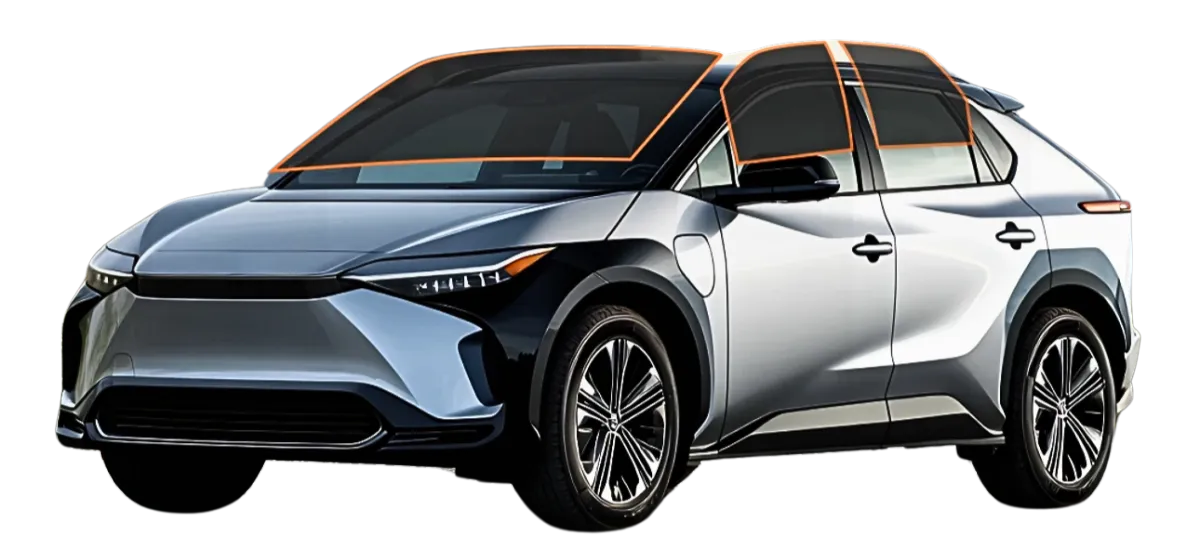
Understanding Legal Window Tint Laws in Florida
Florida law sets clear limits on window tint darkness and reflectivity for different vehicle types. It is important to understand these regulations to avoid fines and comply with state requirements. This article covers the specifics of Florida tint laws for sedans and SUVs, including VLT percentages and exemptions.
What Are the Legal Tint Limits in Florida?
In Florida, tint laws specify that front side windows on sedans must allow more than 28 percent of light to pass through. For SUVs and vans, the same rule applies to front windows, but the rear windows and back windshield can have tint with no less than 6 percent VLT. This ensures visibility and safety while allowing some privacy.
Reflectivity is also regulated, with front windows not exceeding 25 percent reflectivity and rear windows limited to 35 percent. These limits help avoid mirrored or overly reflective tint that could impair visibility or create glare. Residents should check current regulations regularly as laws can change.
To stay compliant, drivers must place a Florida-approved compliance sticker between the film and the glass. For those with medical exemptions, certification from a licensed healthcare provider is required. Confirm your tint darkness and reflectivity with the Florida Department of Highway Safety and Motor Vehicles or a licensed installer before any tinting.
How is Tint Enforcement Conducted in Florida?
Florida law enforcement typically conducts tint inspections at stops or during vehicle safety checks. Officers measure VLT using a light meter directly on the glass. If a vehicle exceeds legal limits, a citation may be issued, and the tinted film might need removal or replacement.
Many drivers find that their front side windows are compliant but rear window tinting exceeds limits, especially on SUVs. Being aware of the law helps owners avoid penalties or the need to remove non-compliant tint. Always confirm that your tint meets current regulations to prevent inconvenience during inspections.
This is why selecting the right film from a reputable installer is key. A professional installer can ensure your tint film complies with Florida standards and avoid costly reapplications or fines.
What Tints Are Allowed on Windshields and Visor Strips?
Visor Strips and Windshield Rules
Florida allows non reflective tint on the windshield above the AS-1 line. This area helps reduce sun glare at the top of the windshield and is legal if the reflectivity is within limits. Many vehicle owners opt for a light tint or clear UV protection strip to enhance comfort without breaking laws.
Applying tint below the AS-1 line must also adhere to VLT and reflectivity restrictions. Overly dark or reflective films may lead to inspection issues and citations. Always verify film compliance before installation.
This is why working with a licensed professional ensures your windshield tint is legal and properly applied according to Florida law.
Do Reflectivity Limits Restrict Mirrored Tints?
Yes, Florida law limits how reflective tinted windows can be. Front side windows may not reflect more than 25 percent of light, and rear windows up to 35 percent. These reflectivity restrictions prevent mirror-like appearance that could distract other drivers.
High reflectivity films are common in metallic or hybrid tints but may not be legal in Florida if they exceed the limits. Always specify your desired tint and confirm its reflectivity matches your state's requirements when selecting a film.
This is why transparent, non reflective ceramic or nano ceramic films are popular choices among Southwest Florida vehicle owners seeking quality and compliance.
What Happens if My Tint is Not Compliant?
If your tint exceeds the legal limits, a police officer can issue a citation or order removal of the tint. In many cases, the vehicle owner must have the non-compliant tint replaced or peeled off. Failing to do so may result in fines and the vehicle being flagged for inspection.
Repeated violations can lead to increased penalties or a requirement to remove all tint. Ensuring your tint adheres to Florida law reduces the risk of fines and hassle during inspections.
Keep updates on current regulations and work with experienced installers to keep your vehicle compliant and avoid violations.
Good to know
Always check your vehicle's tint law classification regardless of the vehicle type or age. Regulations can change and may differ for leased or company vehicles.
What Are the Best Film Options for Compliance and Performance?
Ceramic Films for Southwest Florida
Ceramic window films are popular in Florida because they offer high heat rejection and do not interfere with signals. They are non reflective and come in various VLT levels to meet legal limits while providing protection from UV rays.
Films like nano ceramic offer excellent clarity, maintain a natural appearance, and do not turn purple over time. They cost more initially but tend to last longer without fading or bubbling.
This is why choosing a quality ceramic film from a reputable supplier can provide both legal compliance and enhanced driving comfort in Southwest Florida.
How Should You Verify Compliance When Installing Tint?
Always insist on a professional installation by an experienced technician familiar with Florida laws. They will measure the VLT and reflectivity after installation to ensure compliance. This process prevents costly reapplications or violations.
Request a written confirmation that your film meets all regulations and obtains the proper Florida compliance sticker. This way, you can avoid issues during roadside inspections and stay within legal limits.
Know that proper documentation can save time and money, especially if you are pulled over during a routine inspection or involved in a traffic stop.
p of the conclusion paragraph, no heading above it. Remember to keep the overall article engaging, informative, and aligned with the local packing regulations. Make sure to deliver clear, direct, and useful information without unnecessary filler or promotional language. Reach out if you need additional guidance.





Facebook
Instagram
Youtube
TikTok
Google Plus